Services for businesses and buildings
Managing plumbing and heating systems in commercial buildings and multi-unit properties requires a fundamentally different approach than residential work. The stakes are higher, the systems more complex, and the cost of downtime can be substantial. Whether you oversee a Montreal office tower, a multi-tenant residential complex, or an industrial facility, understanding how to properly maintain, schedule, and optimize your plumbing infrastructure is essential to protecting both your investment and your operational continuity.
This comprehensive resource examines the core principles of commercial plumbing management, from establishing effective preventive maintenance protocols to making strategic decisions about timing, staffing, and capital improvements. You’ll gain insight into the specialized considerations that distinguish professional building management from residential property care, with practical frameworks applicable to properties of all sizes throughout the Montreal region and beyond.
Why Commercial Plumbing Services Require Specialized Expertise
The plumbing systems in commercial and multi-residential buildings operate under conditions that would quickly overwhelm typical residential infrastructure. Consider a 20-story office building where hundreds of occupants rely on consistent water pressure from basement to penthouse, or a manufacturing facility where process water must meet specific temperature and purity standards around the clock.
These environments demand professionals who understand not just pipes and fixtures, but the intricate interplay of pressure zones, backflow prevention, thermal expansion, and system balancing across multiple floors. In Montreal’s climate, the additional challenge of freeze protection and snow load on roof drainage systems adds another layer of complexity. A commercial plumbing specialist brings knowledge of building codes specific to multi-unit and commercial construction, experience with large-scale equipment like commercial boilers and chillers, and the ability to coordinate work that minimizes disruption to building occupants and business operations.
The regulatory environment also differs significantly. Commercial properties in Quebec must comply with provincial plumbing codes, municipal requirements, and in many cases, insurance mandates for specific inspection frequencies and maintenance protocols. Working with professionals who navigate these requirements daily ensures your property remains compliant while avoiding costly violations or coverage issues.
Preventive Maintenance: The Foundation of Long-Term Performance
The single most important factor in extending the lifespan of commercial plumbing systems is a well-designed preventive maintenance program. Unlike reactive approaches that address problems only after they occur, preventive strategies systematically address wear and potential failures before they escalate into emergencies.
Planning Your Maintenance Calendar
Effective preventive maintenance begins with establishing appropriate inspection and service frequencies for each component of your plumbing infrastructure. Not all systems require the same attention schedule. For example:
- Backflow preventers typically require annual testing and certification to meet regulatory requirements
- Water heater flushing and anode rod inspection should occur semi-annually in areas with hard water
- Drain cleaning for high-use areas like commercial kitchens may be needed quarterly
- Pressure testing of critical systems might be scheduled every two to three years
- Seal and gasket replacement on major equipment follows manufacturer specifications, often every five to seven years
Many building managers in Montreal coordinate their plumbing maintenance calendar with seasonal transitions. Scheduling heavy maintenance during slower business periods—such as summer months for office buildings or winter for seasonal hospitality properties—minimizes the impact on occupants and revenue.
Key Systems Requiring Regular Attention
Certain components deserve special focus in any commercial preventive program. Stack cleaning, the process of clearing vertical waste and vent pipes that serve multiple floors, prevents the buildup of debris that gradually restricts flow and creates backup risks. In high-rise buildings, even minor restrictions compound across floors, making regular stack maintenance essential.
Similarly, cleanout access points throughout your system should be mapped, verified for accessibility, and tested periodically. During an emergency, discovering that a critical cleanout is blocked, painted over, or hidden behind permanent fixtures can transform a manageable situation into a catastrophic one.
System balancing—ensuring consistent pressure and flow throughout a building despite varying demand—requires periodic adjustment as occupancy patterns change or equipment ages. This is particularly important in Montreal’s mixed-use developments where residential, commercial, and retail spaces share infrastructure but have vastly different usage profiles.
Strategic Timing and Scheduling for Minimal Disruption
One of the most challenging aspects of managing commercial plumbing is coordinating necessary work with the operational realities of occupied buildings. The question isn’t whether maintenance is needed, but when and how to execute it with minimal impact.
Balancing Operational Needs with Maintenance Windows
Every building has unique patterns that create opportunities for disruptive work. A corporate office might offer weekend or evening windows when floors are largely vacant. A hotel, conversely, operates around the clock but might have predictable low-occupancy periods. Retail properties experience seasonal fluctuations that create natural maintenance windows.
The key is matching the scope and invasiveness of work to available time. A simple inspection might occur during business hours with minimal notice, while a major valve replacement requiring a full building water shutdown needs careful coordination, advance tenant notification, and potentially temporary facilities. Consider phasing larger projects across multiple shorter shutdowns rather than attempting one extended disruption—this approach often proves more acceptable to occupants despite requiring additional mobilization.
Project Timing Considerations
Beyond scheduling individual maintenance tasks, strategic timing applies to larger capital improvements and system upgrades. Replacing aging infrastructure before failure allows you to control the timeline rather than responding to emergency conditions. A planned domestic water line replacement scheduled during a tenant turnover or renovation period costs significantly less than an emergency replacement following a catastrophic break that floods multiple floors.
Similarly, timing upgrades to coincide with available incentive programs can dramatically improve project economics. Municipal water conservation programs, energy efficiency incentives through Hydro-Québec, and federal grants for building improvements all operate on specific cycles. Building managers who track these opportunities and align their capital planning accordingly can offset substantial portions of upgrade costs.
Protecting Your Investment: Asset Preservation and ROI
Commercial plumbing infrastructure represents a significant capital investment—one that directly impacts property value, operational costs, and tenant satisfaction. Managing this asset strategically means understanding both preservation techniques and the economics of repair versus replacement decisions.
Understanding Long-Term Value
Proactive management delivers measurable financial benefits that extend well beyond avoiding emergency repairs. Buildings with documented preventive maintenance histories command higher values in the market because buyers can assess risk more accurately. Insurance carriers often offer preferential rates for properties demonstrating consistent maintenance protocols, particularly for water damage coverage.
Energy efficiency represents another significant value component. Commercial water heating can account for 15-25% of total energy consumption in many buildings. Maintaining this equipment at peak efficiency through regular servicing, proper insulation, and timely upgrades directly impacts operating costs. In Montreal’s climate, where heating season extends more than half the year, these savings compound substantially.
When to Invest in Upgrades vs. Repairs
The decision to repair existing equipment or invest in replacement hinges on several factors beyond simple cost comparison. The “50% rule” provides a useful starting point: when repair costs approach 50% of replacement cost for equipment that has exceeded half its expected lifespan, replacement typically offers better long-term value.
However, context matters enormously. A 12-year-old commercial boiler requiring a $3,000 repair might seem like a candidate for replacement, but if that boiler has been meticulously maintained and is expected to provide another 5-8 years of service, the repair represents sound economics. Conversely, repeatedly repairing an aging system that suffers frequent failures—even when individual repairs seem modest—often costs more than proactive replacement when you account for emergency service premiums, operational disruption, and cumulative downtime.
Consider total cost of ownership: newer equipment often delivers improved efficiency, reduced maintenance requirements, better monitoring capabilities, and extended warranties that older systems cannot match. These factors can tip the economic analysis toward upgrade even when repairs remain technically feasible.
Building Your Service Team: In-House vs. Outsourcing
Property managers face a fundamental decision about how to deliver plumbing services: maintaining in-house capabilities, outsourcing to specialized contractors, or implementing a hybrid approach. Each model presents distinct advantages depending on your property portfolio and operational philosophy.
Evaluating Your Options
In-house maintenance staff offer immediate availability, institutional knowledge of your specific systems, and direct management control. For large properties or multi-building portfolios, this model can provide excellent value. A building engineer who knows every valve location, understands the quirks of your particular system, and maintains relationships with occupants delivers benefits that transcend simple cost-per-hour calculations.
However, maintaining in-house plumbing expertise requires ongoing investment in training, licensing, tools, and inventory. Specialized work—particularly licensed gas fitting, backflow testing, or complex diagnostics—may still require outside contractors even with in-house staff. Many organizations find optimal results through a hybrid model: in-house personnel handle routine maintenance and minor repairs while outsourcing specialized services, major projects, and emergency backup capacity.
Pure outsourcing arrangements transfer these management challenges to your service provider but require careful contractor selection and relationship management to ensure responsive service and consistent quality. The key advantage is accessing a broader range of expertise and specialized equipment without the overhead of maintaining these capabilities internally.
Credential Verification and Quality Assurance
Regardless of your service delivery model, ensuring proper credentials and avoiding fraudulent or unqualified service providers is essential. In Quebec, plumbing work requires licensing through the Régie du bâtiment du Québec (RBQ). Verify that any contractor holds appropriate licenses for the work being performed—different categories exist for plumbing, gas fitting, and petroleum equipment installation.
Beyond basic licensing, consider these verification steps:
- Confirm active insurance coverage including both liability and workers’ compensation
- Check references from comparable properties, specifically asking about responsiveness, quality, and how problems were handled
- Review safety records and training protocols, particularly for work in occupied buildings
- Verify specific experience with your building systems and equipment types
- Establish clear performance metrics and communication expectations before work begins
For ongoing service relationships, implement regular quality reviews. Don’t wait for problems to assess contractor performance—proactive evaluation ensures small issues are addressed before they compromise service quality or safety.
Specialized Considerations for High-Rise and Commercial Buildings
High-rise buildings present unique plumbing challenges that require specialized knowledge and approach. The simple physics of moving water vertically across 20, 30, or 40+ stories creates complexities unknown in low-rise construction.
Pressure management represents the primary challenge. Water pressure that provides adequate flow on upper floors would create excessive pressure—potentially damaging fixtures and connections—on lower levels. Most high-rises employ pressure reducing valve (PRV) zones, typically dividing the building into segments of 10-15 floors, each with regulated pressure appropriate for that elevation. These PRVs require periodic testing, adjustment, and eventual replacement to maintain proper system balance.
Luxury buildings add another dimension with expectations for premium fixture performance regardless of floor level. Maintaining consistent pressure and temperature for high-end showers, tub filling systems, and kitchen fixtures across all units requires meticulous system design and maintenance. Residents paying premium prices expect premium performance—inconsistent water pressure or temperature fluctuations that might be tolerated elsewhere become serious service issues in upscale properties.
Stack effect—the natural tendency for air (and water) to rise in tall buildings—creates both opportunities and challenges. This phenomenon can help drainage systems but can also create unusual pressure conditions in vent systems. Montreal’s temperature extremes exacerbate these effects, with cold exterior walls and warm interior spaces creating significant temperature differentials that drive airflow patterns affecting plumbing performance.
Emergency response in high-rises requires specialized protocols. A water leak on the 25th floor doesn’t just affect that unit—it potentially impacts every floor below. Rapid isolation capabilities, clear emergency procedures, and staff trained in high-rise specific response protocols are essential to limiting damage when incidents occur.
Managing commercial plumbing infrastructure requires balancing technical knowledge, strategic planning, financial analysis, and operational coordination. The principles outlined here—preventive maintenance, strategic timing, asset preservation, appropriate staffing, and specialized expertise where needed—provide a framework for protecting your investment while ensuring reliable service for occupants. Whether you’re refining existing practices or developing new protocols for a growing portfolio, focusing on these fundamentals will serve your properties and stakeholders well for years to come.
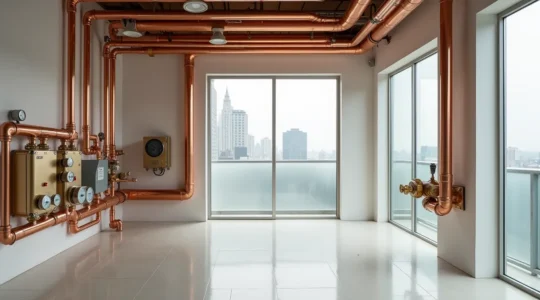
How to Guarantee Consistent Hot Water in a Penthouse Suite?
The frustrating wait for hot water in a luxury penthouse isn’t a sign of a faulty fixture; it’s a symptom of a compromised plumbing architecture that overlooks the physics of high-rise buildings. Gravity and distance create significant thermal latency and…
Read more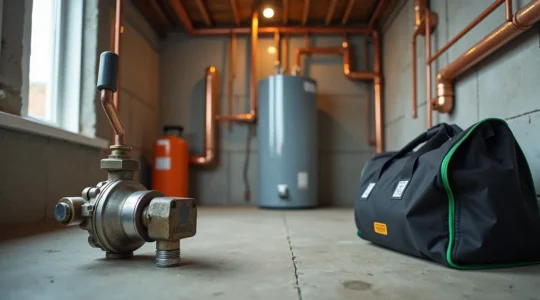
How to Inspect Your Plumbing System Annually and Prevent $5,000 in Water Damage
In summary: Shift from a simple checklist to a “diagnostic mindset” to understand what plumbing signals mean in your Montreal home. Focus on material forensics: learn to identify early signs of failure in copper pipes, flexible hoses, and cast iron…
Read more
How to Verify if Your Plumber Has a Valid CMMTQ License?
Verifying a plumber’s CMMTQ license is not a formality; it is the single most critical action a homeowner can take to activate Quebec’s legal and financial protections against faulty work. Only a CMMTQ-licensed contractor can legally perform plumbing work and…
Read more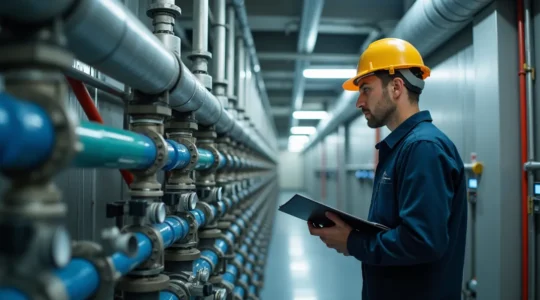
Beyond the Wrench: A Strategic Guide to Cutting Commercial Plumbing Costs by 30% in Montreal
Reducing emergency plumbing costs by 30% is not about finding a cheaper plumber; it’s about shifting to a proactive asset management model for your building’s entire plumbing infrastructure. Proactive measures like preventive jetting generate significant ROI by avoiding catastrophic failures…
Read more