Renovation and improvement
Renovating the plumbing and heating systems in a Montreal home presents unique challenges that go far beyond simple pipe replacement. The city’s extreme temperature swings, aging infrastructure, and distinctive architectural heritage demand a thoughtful approach that balances modern performance with practical constraints. Whether you’re dealing with a century-old Plateau triplex or retrofitting a post-war bungalow in the West Island, understanding the interplay between hydraulic function, building envelope, and local climate conditions can mean the difference between a renovation that lasts decades and one that fails within years.
This comprehensive resource connects the essential concepts every homeowner and property manager should understand before embarking on a plumbing or heating renovation project. From strategic planning and material selection to prevention tactics and quality control, we’ll explore the foundational knowledge that transforms a standard upgrade into a resilient, future-ready system tailored to Montreal’s demanding environment.
Planning Your Plumbing and Heating Renovation
Successful renovations begin long before the first pipe is cut. The planning phase determines not only what gets installed, but when, how, and in what sequence—decisions that profoundly impact both cost and long-term performance.
Scheduling and Phasing Capital Improvements
In Montreal’s older neighborhoods, where properties often require multiple simultaneous upgrades, strategic phasing prevents budget overruns and minimizes disruption. Consider a typical scenario: a 1920s duplex needs new heating, updated plumbing, and electrical work. Tackling these systems independently leads to repeated wall openings, duplicate permit applications, and missed opportunities for coordination.
The smarter approach involves grouping improvements by access requirements. When you plan to open walls for electrical upgrades, simultaneously address the plumbing rough-in and install modern insulation. This coordination becomes especially valuable when working around Montreal’s tight construction season—roughly May through October—when frozen ground and extreme cold make certain interventions impractical. Scheduling major work during this window, while reserving indoor-only tasks for winter months, maximizes efficiency and contractor availability.
Rough-In Planning and System Integration
The rough-in stage—when pipes, drains, and supply lines are installed before walls close—represents your only cost-effective opportunity to correct fundamental design flaws. Poor discharge placement, for instance, can create drainage issues that persist for the building’s lifetime. In Montreal’s freeze-thaw climate, inadequate slope in drainage lines leads to ice accumulation and seasonal backups.
Thoughtful rough-in planning also considers future access requirements. Placing cleanout ports in accessible locations, creating removable access panels at critical junctions, and documenting the system with photographs before walls close all contribute to easier maintenance decades later. This foresight proves particularly valuable in multi-unit buildings, where accessing systems often means disturbing neighbors—a source of frequent disputes that proper planning prevents.
Modern Materials and Installation Techniques
The materials and methods you choose directly determine your system’s longevity, especially in environments where temperature extremes test every joint and connection.
PEX Systems and Chemical Welding
Cross-linked polyethylene (PEX) has revolutionized residential plumbing in cold climates like Montreal’s. Unlike rigid copper, PEX tolerates minor freezing events without bursting, making it ideal for exterior walls and unheated spaces. However, proper installation requires understanding expansion rates and support requirements—sagging lines create low spots where water stagnates and bacteria multiply.
For drainage systems, chemical welding (solvent welding) of ABS or PVC pipes demands precision. The process creates a molecular bond stronger than the pipe itself, but only when surfaces are properly prepared and appropriate cure times are observed. In cold basements common to Montreal homes, rushing this process by applying heat or inadequate curing time leads to joint failure within months. Professional installers know to maintain minimum ambient temperatures during curing, sometimes requiring temporary heat sources in winter renovations.
Protective Membranes and Sealants
Water intrusion remains the primary enemy of building longevity. Modern liquid membranes and firestop sealants provide protection that traditional methods cannot match, but their effectiveness depends entirely on application technique.
Liquid membranes excel in irregular spaces where sheet materials wrinkle or gap. Shower pans, basement floors, and transition zones between different materials all benefit from these seamless barriers. The key lies in achieving uniform thickness—too thin and pinholes develop; too thick and the membrane may crack as it cures. Temperature and humidity during application matter tremendously; Montreal’s humid summers actually improve curing, while forced-air heat in winter can cause premature skinning.
Firestop sealants serve a dual purpose: they prevent fire spread through penetrations while also blocking air and moisture movement. In multi-story buildings, every pipe penetrating a floor represents a potential chimney for flames and drafts. Quality installations use appropriate sealants rated for the specific penetration type, applied to manufacturer specifications.
Preventing Common Renovation Failures
Understanding what typically goes wrong allows you to design prevention into your project from the start, rather than discovering problems after walls are closed and finishes installed.
Waterproofing and Moisture Control
Montreal’s climate creates perfect conditions for moisture problems: cold winters drive indoor humidity toward exterior walls, while spring thaws introduce groundwater. Waterproofing mistakes typically stem from treating symptoms rather than causes—applying sealants without addressing the source of moisture, or installing vapor barriers on the wrong side of insulation.
In humid spaces like bathrooms and basements, prevention requires a systems approach: proper ventilation to remove moisture at its source, appropriate vapor barriers positioned according to climate zone (Montreal sits in Zone 6, requiring specific configurations), and drainage systems that manage water before it enters living spaces. Foam sleeves around pipes passing through cold zones prevent condensation—a frequent source of mysterious water damage that homeowners mistake for leaks.
Joint Integrity and Root Intrusion
Joint failures account for the majority of plumbing problems in renovated systems. Thermal expansion, building settlement, and vibration all stress connections. In Montreal, where seasonal temperature swings can exceed 60°C between winter and summer extremes, this movement is particularly pronounced. Successful installations accommodate this reality through proper support spacing, expansion joints at strategic locations, and materials selection that matches expansion coefficients.
For properties with mature trees—common in established Montreal neighborhoods like NDG or Outremont—root intrusion into underground drainage lines represents a persistent threat. Tree roots seek moisture and nutrients, infiltrating even small gaps at pipe joints. Prevention begins with material selection (solid-wall pipes for underground applications rather than perforated drainage tile near trees) and continues with strategic routing that maintains adequate separation from established vegetation. When proximity is unavoidable, root barriers and regular camera inspections catch problems before complete blockages develop.
Retrofitting Montreal’s Older Homes
The city’s wealth of pre-1950 housing stock presents distinctive challenges when integrating modern plumbing and heating systems into structures never designed for them. These homes often feature shallow frost foundations, limited basement height, and wall cavities filled with materials ranging from horsehair plaster to sawdust insulation.
Managing legacy infrastructure requires balancing preservation with performance. In historical neighborhoods like Old Montreal or certain Heritage conservation districts, maintaining architectural character while meeting current code becomes a creative exercise. Original cast iron drainage stacks may need to remain visible, requiring careful integration with modern branch lines. Radiator heating systems, while inefficient by contemporary standards, often cannot be fully replaced without gutting historic plaster, so hybrid approaches emerge—keeping the existing distribution while upgrading the boiler and controls.
The partial replacement strategy proves particularly valuable here: rather than complete system overhauls, you strategically upgrade the most problematic sections while working around constraints. This might mean replacing corroded supply lines while retaining functional drainage, or upgrading a single zone of heating while postponing others. Such approaches require careful system analysis to ensure compatibility—mixing old and new components without creating pressure imbalances or galvanic corrosion.
Envelope upgrades to support plumbing and heating improvements often deliver the greatest return on investment in older homes. Adding exterior insulation, sealing air leaks, and upgrading windows reduces heating demand enough to make smaller, more affordable heating systems viable. In Montreal’s climate, these envelope improvements also prevent the freeze-thaw damage that plagues inadequately insulated pipe chases and exterior walls.
Advanced Diagnostics and Quality Assurance
Modern diagnostic tools transform renovation from guesswork into precision work, revealing hidden conditions before they become expensive problems.
Thermal imaging cameras expose temperature differentials invisible to the naked eye—cold spots indicating missing insulation, warm zones suggesting air leaks, and damp areas showing active moisture intrusion. Before opening walls, thermal scans map exactly where problems exist, eliminating unnecessary demolition. After renovation, they verify that insulation was properly installed and that heating distribution reaches all intended spaces. In Montreal’s heating season, the temperature differential between indoors and outdoors makes these scans particularly revealing.
Inspection cameras navigate the interior of drainage and supply lines, documenting conditions without destructive investigation. A camera run through existing pipes before renovation reveals scale buildup, corrosion, and root penetration—information that shapes realistic project scopes. Post-installation inspections verify that new installations meet standards, catching debris or improper slope before walls close. The investment in camera inspection, typically a few hundred dollars, frequently prevents thousands in misdirected repairs.
Quality assurance extends beyond tools to methodology. Pressure testing new supply lines, conducting smoke tests on drainage systems, and verifying proper valve operation before finishes are applied all contribute to long-term reliability. Professional installers understand that reseating valves—ensuring they close fully without leaks—prevents the slow drips that waste water and damage finishes over time.
Sustainable Renovation Practices
Green renovation implementation in plumbing and heating contexts delivers both environmental benefits and reduced operating costs—an increasingly important consideration as energy prices rise and climate awareness grows.
The most impactful sustainable choice often involves system sizing. Oversized heating systems, common in older installations, cycle frequently and operate inefficiently. Proper heat loss calculations—accounting for actual envelope performance rather than outdated rules of thumb—allow right-sized equipment that runs longer, steadier cycles. In Montreal’s climate, this might mean a smaller, more efficient boiler paired with improved insulation outperforms a larger unit in an unchanged envelope.
Water conservation measures range from simple (low-flow fixtures) to sophisticated (greywater recovery systems). For single-family homes, the former provides immediate returns; for multi-unit buildings, the latter may justify investment. Heat recovery from drainage—capturing warmth from shower water to preheat incoming cold water—shows particular promise in cold climates where incoming water temperatures hover near freezing for months.
Material selection contributes to sustainability through longevity and recyclability. Copper pipes, while initially expensive, last generations and retain scrap value. PEX reduces installation labor and eliminates soldering (and its associated energy use), though recycling infrastructure remains limited. The optimal choice balances immediate environmental impact against lifecycle performance—a calculation that varies by project specifics.
This foundation in renovation and improvement principles equips you to approach your plumbing and heating project with realistic expectations and informed questions. Whether you’re planning a comprehensive retrofit or addressing specific performance issues, understanding how planning, materials, prevention, and quality control interconnect transforms reactive repairs into strategic improvements that serve your property for decades. The articles linked throughout this overview provide deeper exploration of specific techniques, helping you navigate from general understanding to practical implementation tailored to your unique situation.
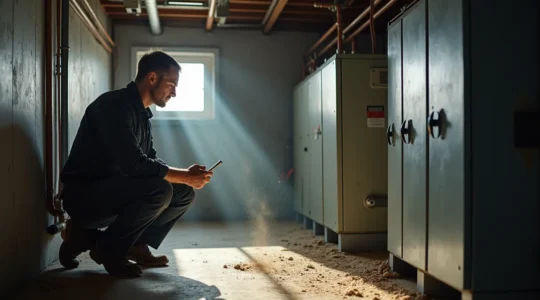
How to Convert an Oil Heating System to Electric in Quebec?
Converting from oil to electric heating in Quebec is a critical risk-management project, not just a simple appliance upgrade. Insurers are increasingly refusing coverage for older homes with oil tanks, making professional removal a financial and legal necessity. A 200-amp…
Read more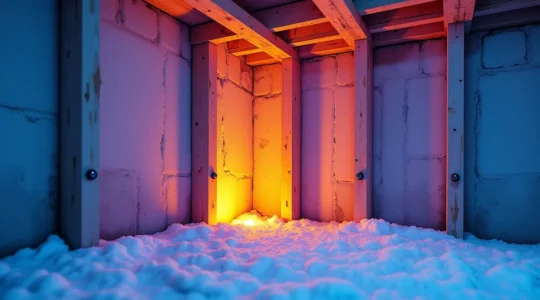
How to Insulate Your Basement Header to Protect Pipes and Save Heat?
In summary: Identify and eliminate thermal bridges, especially at sill plates and anchor bolts, which are the primary source of cold transfer. Use two-component closed-cell spray foam (froth paks) on rim joists for a superior air and vapor barrier, crucial…
Read more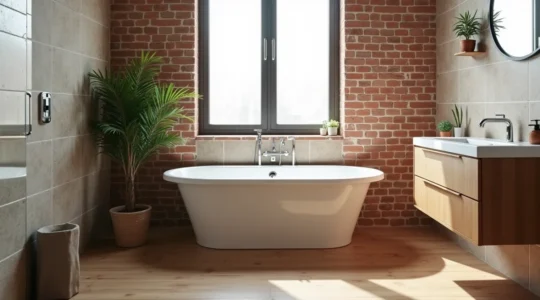
How to Plan an Eco-Responsible Bathroom Renovation from Start to Finish?
True eco-renovation in Montreal is less about the products you buy and more about strategic project management for longevity. Focus on repairability over generic ‘green’ labels to avoid the ‘fast furniture’ trap and reduce long-term waste. Align your project with…
Read more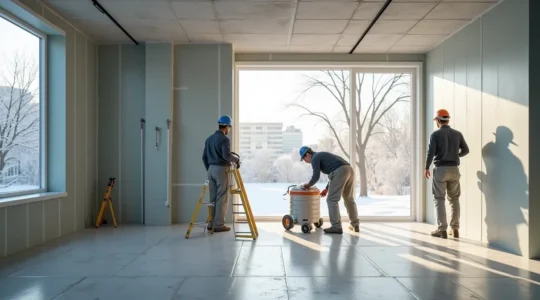
How to Waterproof a Windowless Bathroom and Prevent Black Mold: A Building Science Guide
In summary: Black mold is a symptom of uncontrolled moisture, not just a surface issue. Effective waterproofing requires a continuous, sealed system that manages both liquid water and water vapor. Proper ventilation isn’t just having a fan; it’s about verified…
Read more
How to Replace Cast-Iron Stacks in a Plateau Plex Without Evicting Tenants?
The key to replacing a cast-iron stack in a tenanted Plateau plex isn’t just about new pipes; it’s a strategic operation balancing modern diagnostics, minimal demolition, and tenant-centric scheduling. A camera inspection is the non-negotiable first step to avoid unnecessary…
Read more
How to Move a Toilet in a Condo Without Raising the Floor?
In summary: Moving a toilet in a concrete-slab condo is possible without raising the floor by adopting an “above-floor” plumbing system. Success depends on using a macerating (upflush) toilet system concealed within a strategically designed wet wall. Proper venting, often…
Read more