Plumbing services
Plumbing systems form the circulatory network of any building, quietly delivering clean water and removing waste every single day. Yet most property owners only think about their plumbing when something goes wrong—a burst pipe during a Montreal winter, a persistent drip that drives up water bills, or a mysterious gurgling sound from the drains. Understanding how these systems work, what they require for optimal performance, and when to call in professional help can save you thousands in emergency repairs while ensuring comfort and safety year-round.
Whether you’re managing a multi-story residential building in Plateau-Mont-Royal, renovating a century-old duplex in Outremont, or operating a commercial kitchen in downtown Montreal, the principles of effective plumbing remain consistent. This comprehensive resource explores the critical components of modern plumbing services—from water pressure optimization and heating system integration to drainage design and preventive maintenance—giving you the knowledge to make informed decisions about your property’s infrastructure.
Water Distribution and Pressure Management
Adequate water pressure makes the difference between a refreshing shower and a frustrating trickle. In Montreal’s diverse building landscape, where heritage homes coexist with modern high-rises, maintaining consistent pressure presents unique challenges.
Optimizing Pressure in Multi-Story Buildings
Tall buildings face a fundamental physics problem: water pressure decreases approximately 0.43 PSI per vertical foot. A six-story building can experience pressure variations of 25 PSI or more between the basement and top floor. Modern solutions include pressure-reducing valves on lower floors, booster pumps for upper levels, and zone-based distribution systems that divide the building into manageable sections. For residential buildings exceeding four stories, a properly designed zone system becomes not just beneficial but essential for resident comfort.
Diagnosing and Addressing Pressure Drops
Sudden pressure loss rarely happens without warning. Common culprits include mineral buildup in aging galvanized pipes (common in pre-1960s Montreal construction), partially closed main valves, hidden leaks, or undersized supply lines. A systematic diagnosis involves measuring flow rates at multiple fixtures, inspecting visible pipe sections for corrosion, and testing pressure at different times of day. Peak usage periods—typically morning and evening—reveal whether the issue stems from infrastructure limitations or isolated fixture problems.
Eliminating Noise in Water Lines
Water hammer, that distinctive banging when you close a faucet quickly, occurs when moving water suddenly stops and creates a pressure wave. This phenomenon doesn’t just create annoying noise—it can actually damage pipe joints and fittings over time. Installing air chambers or shock arrestors near quick-closing fixtures (dishwashers, washing machines, solenoid valves) absorbs these pressure spikes. Securing loose pipes with proper hangers prevents vibration-related noise, while maintaining adequate air cushion in your system’s highest points provides natural shock absorption.
Drainage, Venting, and Waste Systems
If supply systems bring water in, drainage systems are equally critical for removing it safely. Quebec’s building codes mandate specific standards to protect both properties and municipal infrastructure.
Understanding Venting Requirements
Every drain needs air to function properly—it’s a principle many homeowners discover only when fixtures drain sluggishly or produce gurgling sounds. Vent pipes allow air into the drainage system, preventing vacuum formation that would slow or stop drainage entirely. The Quebec Construction Code specifies minimum vent sizes and configurations based on fixture units and drainage load. For instance, a typical bathroom group requires at minimum a 1.5-inch vent stack, while multiple fixtures on a horizontal branch may need increased venting to prevent trap siphoning.
Protecting Against Sewer Backups
Montreal’s combined sewer system, while improved in recent years, still faces overflow risks during heavy rainfall or rapid snowmelt. Backwater valves installed on basement floor drains and sewer lines act as one-way gates, allowing waste to exit but preventing municipal sewage from entering your property. Current plumbing standards require these protective devices in buildings with below-grade plumbing fixtures, and many municipalities offer subsidy programs to encourage their installation in existing homes.
Managing Soil Movement Effects
Montreal’s freeze-thaw cycles create unique challenges for underground plumbing. As soil expands when frozen and contracts during thaws, rigid pipe connections can crack or separate. Flexible couplings at strategic points, proper backfill techniques using granular materials, and maintaining adequate depth below the frost line (typically 5-6 feet in the Montreal region) help systems withstand seasonal ground movement. Clay soils, common along the St. Lawrence, require particular attention due to their high expansion potential.
Heating System Integration
In Montreal’s climate, where winter temperatures regularly plunge below -20°C, plumbing and heating systems intersect in critical ways. Proper integration ensures efficient warmth while preventing freeze-related disasters.
Assessing and Calculating Heat Load
Undersized heating capacity leaves occupants shivering; oversized systems waste energy and cycle inefficiently. Accurate heat load calculations account for building envelope characteristics (insulation values, window types, air leakage), local climate data, occupancy patterns, and desired temperature differentials. A typical Montreal triplex might require 40,000-60,000 BTU depending on insulation quality, while modern passive house construction can reduce requirements by 70% or more through superior building envelope performance.
Designing Dedicated Heating Zones
Single-zone heating treats a Victorian mansion the same as a studio apartment—inadequate for both comfort and efficiency. Zone-based systems allow different areas to maintain different temperatures based on usage patterns. Bedrooms can run cooler during the day, while living spaces warm up in evenings. Each zone requires proper valve selection, thermostat placement away from heat sources and drafts, and balancing to ensure adequate flow. A well-designed three-zone residential system typically reduces heating costs by 15-25% compared to single-zone configurations.
Essential Maintenance Tasks
Hydronic heating systems require annual attention to maintain efficiency and longevity:
- Bleeding radiators removes trapped air that creates cold spots and reduces heat transfer efficiency
- Checking and adjusting water levels in expansion tanks prevents pressure issues and potential system shutdown
- Inspecting circulator pumps for unusual noise, leaks, or reduced flow maintains proper heat distribution
- Testing pressure relief valves ensures safety mechanisms function when needed
Maintenance and Troubleshooting
Reactive repairs cost significantly more than proactive maintenance—often three to five times as much when emergency service calls and water damage are factored in.
Descaling and Mineral Deposit Management
Montreal’s water, while safe and regulated, contains dissolved minerals that gradually accumulate in pipes, water heaters, and fixtures. This scaling reduces flow capacity, increases energy consumption, and shortens equipment lifespan. Tankless water heaters require annual descaling using food-grade acids to maintain efficiency. Older galvanized steel pipes may develop internal diameter reductions of 50% or more over decades, eventually requiring replacement rather than cleaning.
Operating and Maintaining Valves
A stuck valve during a plumbing emergency transforms a simple repair into a complex ordeal. Main shutoff valves, in particular, often sit untouched for years, allowing mineral deposits and corrosion to freeze them in position. Quarterly exercise cycles—fully opening and closing each valve—keeps mechanisms free and functional. When encountering a stuck valve, gradual back-and-forth movement with penetrating oil works better than forcing, which risks breaking the valve stem or body.
Establishing Cleaning Protocols
Different plumbing components require specific maintenance schedules. Floor drains benefit from monthly flushing to maintain trap seals and prevent sewer gas entry. Grease traps in commercial kitchens need cleaning based on retention time and usage volume—typically every 1-3 months depending on throughput. Proper protocols prevent the gradual degradation that leads to system failures.
System Design and Installation
Whether building new or renovating, proper system design prevents years of future problems. Montreal’s unique building stock requires adaptation rather than one-size-fits-all approaches.
Custom and Complex Property Solutions
Heritage buildings with 12-inch thick stone walls, properties with shared infrastructure, or spaces with unusual usage patterns demand customized approaches. Converting a century-old industrial building into residential lofts requires careful load calculations, creative routing to avoid structural elements, and often supplemental pressure systems. Working within constraints while meeting modern code requirements separates adequate design from excellent execution.
Calculating Load Requirements
Plumbing design begins with understanding demand. The fixture unit method assigns values to each fixture type (a toilet = 3-6 units, a shower = 2 units) and uses diversity factors recognizing that not all fixtures operate simultaneously. A 20-unit apartment building doesn’t need capacity for 20 showers running at once—statistical probability allows for more economical sizing while maintaining adequate service. Commercial applications, however, may require different assumptions based on peak usage patterns.
Supporting Horizontal Runs and Preventing Sagging
Gravity never rests. Unsupported horizontal pipe runs gradually sag, creating low spots where water pools and sediment accumulates. Proper hanger spacing depends on pipe material and diameter—copper typically requires support every 6-10 feet, while PEX can span slightly longer distances. Cast iron, still present in many older Montreal buildings, needs hangers every 5 feet due to its weight. Maintaining proper slope (typically 1/4 inch per foot for drainage) ensures waste flows efficiently without leaving deposits.
Smart Monitoring and Efficiency Optimization
Modern technology transforms plumbing from a passive system into an actively managed infrastructure that can detect problems before they become emergencies.
Measuring Flow and Setting Alerts
Smart water meters and flow sensors provide real-time data on consumption patterns. Unusual flow during typical sleep hours might indicate a running toilet or hidden leak. Setting threshold alerts—for example, triggering notifications when flow exceeds 10 gallons per hour for more than 30 minutes—catches problems early. A slow leak dripping just once per second wastes over 3,000 gallons annually, adding unnecessary costs while potentially causing hidden damage.
Calculating and Tracking Daily Usage
Understanding normal consumption patterns helps identify waste and set conservation goals. Typical Montreal households use 150-250 gallons daily, with variations based on occupancy, fixtures, and habits. High-efficiency toilets, low-flow showerheads, and aerators can reduce consumption by 30-40% without sacrificing performance. Tracking usage over time reveals the impact of upgrades and behavioral changes.
Creating Automated Routines
Smart home integration enables preventive actions like automatically shutting off water supply when extended absence is detected, activating recirculation pumps on schedules to prevent legionella growth while minimizing energy waste, or pre-warming systems before occupancy. IP ratings (Ingress Protection) indicate device suitability for plumbing environments—controllers near potential water exposure should carry minimum IP65 ratings for adequate moisture and dust protection.
Commercial Applications and Specialized Requirements
Commercial plumbing operates under stricter codes and higher demands than residential systems. Nowhere is this more evident than in food service environments.
Commercial Kitchen Compliance
Restaurant plumbing must satisfy health departments, building inspectors, and fire safety officials simultaneously. Requirements include grease trap sizing based on kitchen equipment capacity, backflow prevention on all food preparation connections, properly sized and vented floor drains, and separate hand-washing facilities with specific faucet types. Understanding retention time in grease interceptors—the period wastewater remains in the device allowing fats to separate—ensures proper sizing for the establishment’s peak flow rates.
System Sizing for High-Demand Applications
A single commercial kitchen dishwasher can demand more hot water in one cycle than an entire house uses in a day. Sizing water heaters, supply lines, and drainage systems requires understanding peak simultaneous demand, recovery rates, and cascade effects. A properly designed system handles the lunch rush without pressure drops or temperature fluctuations that impact service quality.
Selecting Professional Contractors and Programs
Even the most knowledgeable property owner eventually needs professional help. Choosing the right contractor significantly impacts project outcomes.
Key Selection Criteria
Licensing verification through the Régie du bâtiment du Québec (RBQ) confirms legal authority to perform plumbing work. Beyond credentials, consider these factors:
- Demonstrated experience with your specific building type or problem
- Detailed written estimates that itemize materials, labor, and timelines
- Proof of liability insurance and CSST coverage protecting you from accident-related liability
- References from recent comparable projects you can verify
- Clear communication about code requirements, permit needs, and inspection processes
Accessing Rebate and Assistance Programs
Various programs help offset plumbing upgrade costs. Municipal initiatives may subsidize backwater valve installation, while provincial programs offer incentives for high-efficiency equipment. Water heater replacements, low-flow fixture installations, and insulation improvements often qualify for rebates. Registration processes typically require pre-approval, licensed contractor installation, and post-installation verification—planning ahead ensures you don’t miss eligibility windows.
Understanding your property’s plumbing systems empowers better decisions about maintenance timing, upgrade priorities, and when to call professionals. Whether you’re dealing with pressure fluctuations in a multi-story building, planning heating system zones, or simply trying to operate a stubborn valve, the principles covered here provide a foundation for effective problem-solving. As Montreal’s infrastructure ages and climate challenges evolve, informed property owners who invest in proper maintenance and timely upgrades protect their investments while ensuring reliable, efficient service for years to come.
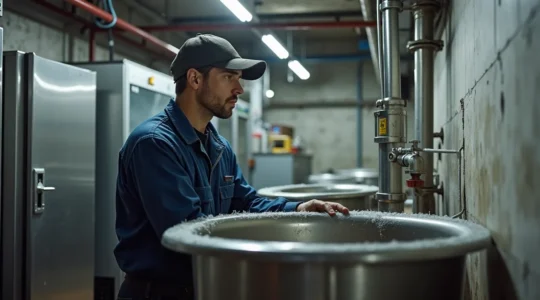
How to Size a Grease Trap Correctly for a Busy Montreal Restaurant?
For a Montreal restaurateur, a grease trap is not just plumbing hardware; it’s a critical defense against specific regulatory liabilities and operational failures unique to Quebec. Failing to account for Montreal’s extreme winter temperatures leads to rapid FOG solidification and…
Read more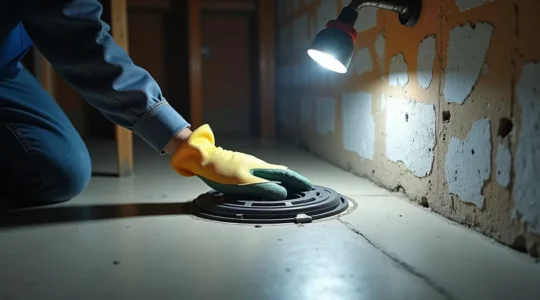
Do You Legally Need a Backwater Valve in Your Montreal Borough?
The legality of a backwater valve in Montreal isn’t a simple ‘yes’ or ‘no’—it depends on your building’s age, location, and specific borough by-laws. Valves are mandatory in all new constructions since 2011 and often required for properties that have…
Read more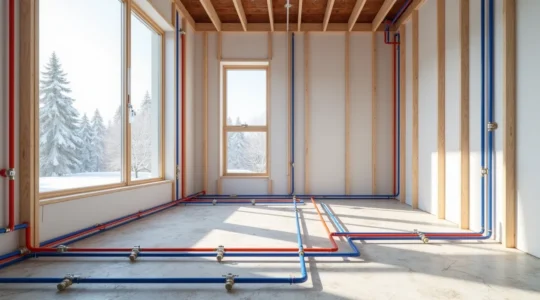
How to Design a Plumbing System for a Custom Luxury Home?
Designing a luxury plumbing system in Montreal is not about fixtures; it’s hydraulic engineering that must master extreme flow demands and defy Quebec’s climate. Standard code-minimums are inadequate for the hydraulic load of multiple high-flow fixtures like rain showers and…
Read more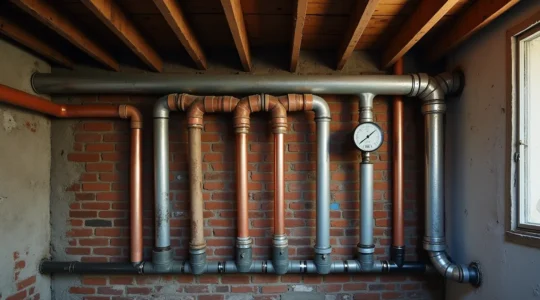
Why Is Water Pressure Low on the Third Floor of Your Plex?
The low water pressure on your top floor isn’t a single fault; it’s a symptom of a systemic imbalance in your Montreal plex’s unique plumbing ecosystem. Elevation loss, aging pipes (often galvanized), and simultaneous tenant demand create a constant pressure-demand…
Read more